

.png)
Get in touch with us for inquiries, collaborations, or service requests.
Our team will respond as soon as possible.

News
How to Choose a Surgical Consumables OEM Manufacturer | Senmed
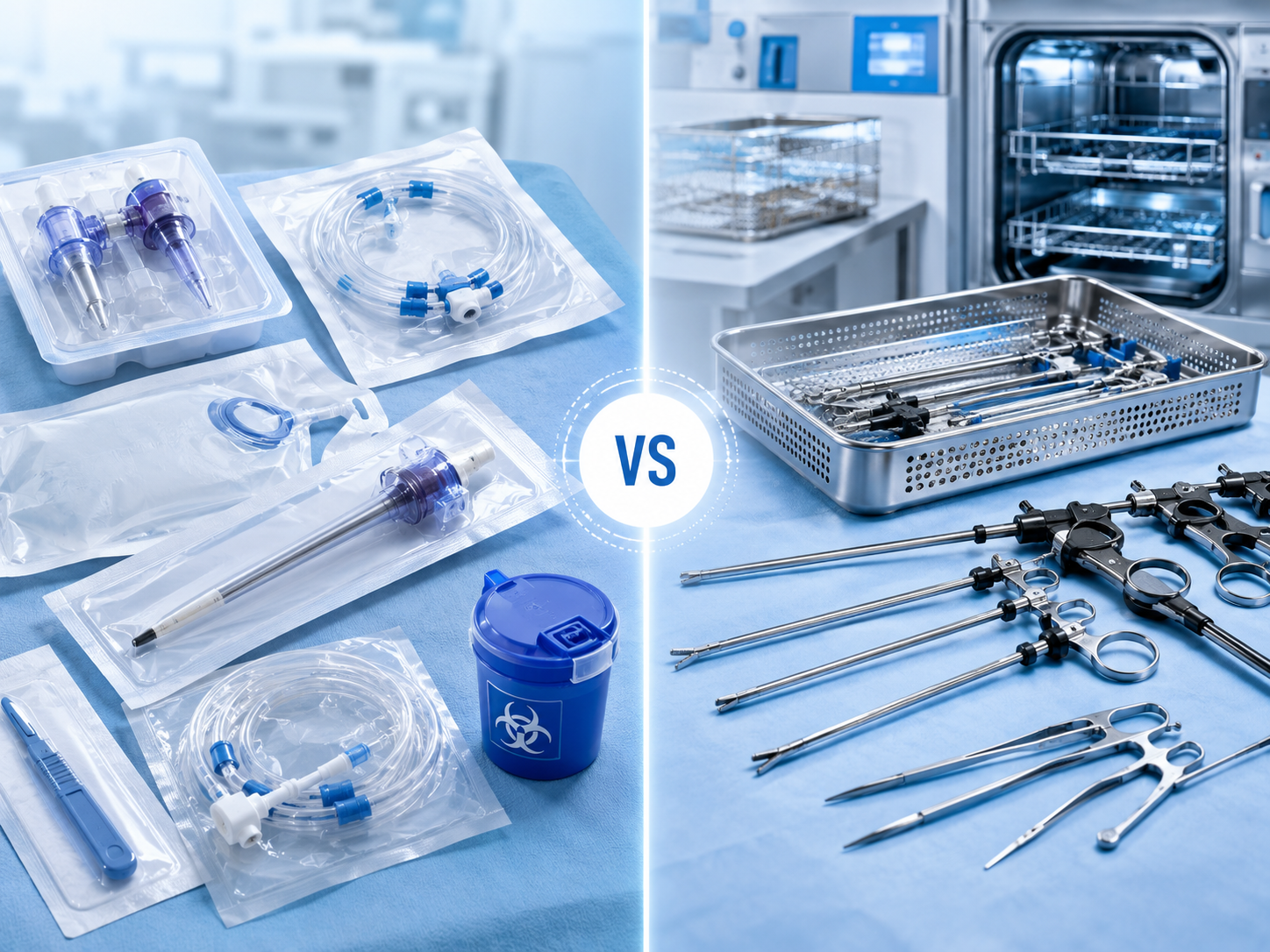
This comprehensive technical guide delivers a practical audit framework for global medical device distributors, healthcare tender boards, and private label brands evaluating a surgical consumables OEM manufacturer. It covers regulatory compliance baselines, production scalability parameters, cleanroom manufacturing controls, and long-term supply chain optimization metrics. For a detailed background evaluation tracking single-use versus reusable consumable cost allocations, see: Disposable vs Reusable Surgical Consumables — Procurement Comparison for Global Buyers.
Executive Procurement Summary
Selecting an optimal medical device contract manufacturing asset represents a critical strategic milestone that directly manages regulatory approval speeds, continuous product lot uniformity, hospital brand equity protection, and global logistics flow stability.
Why Choosing the Right OEM Manufacturer Matters
In the highly regulated medical device landscape, selecting a qualified disposable surgical consumables manufacturer is a profound commercial decision. The capabilities of your manufacturing partner dictate your position during unexpected market shifts, state audit inspections, and large-scale hospital tender competitions. For international private label brands, the contract supplier must not only possess excellent physical output capabilities but must align completely with global risk-management and cleanroom micro-biological safety criteria.
1. Regulatory Compliance & Certifications
Regulatory readiness forms the absolute baseline when vetting a medical device OEM supplier. A factory lacking fully validated cleanroom tracking logs or trace certificates introduces massive border seizure and legal liability liabilities for the importing distributor. Core certification filters must encompass:
- Complete ISO 13485 Quality Management System certification for medical components.
- Comprehensive CE MDR compliance documentation with active lot traceability mapping.
- Documented Ethylene Oxide (EO) gas sterilization validation conforming strictly with ISO 11135 criteria.
- Rigid raw material biocompatibility validation matching target market distribution guidelines.
- Full batch history record retention ensuring frictionless post-sterilization traceability reviews.
2. Product Portfolio & Specialization
An experienced OEM surgical consumables factory must present deep engineering focus within its core manufacturing groups rather than distributing broad, unrelated consumer goods. Supply chain consolidation is most efficient when a single qualified factory manages companion device lines seamlessly, allowing distributors to build balanced, high-margin catalogs. Senmed structures specialized capabilities across two core high-barrier lines:
Advanced Laparoscopic Instruments
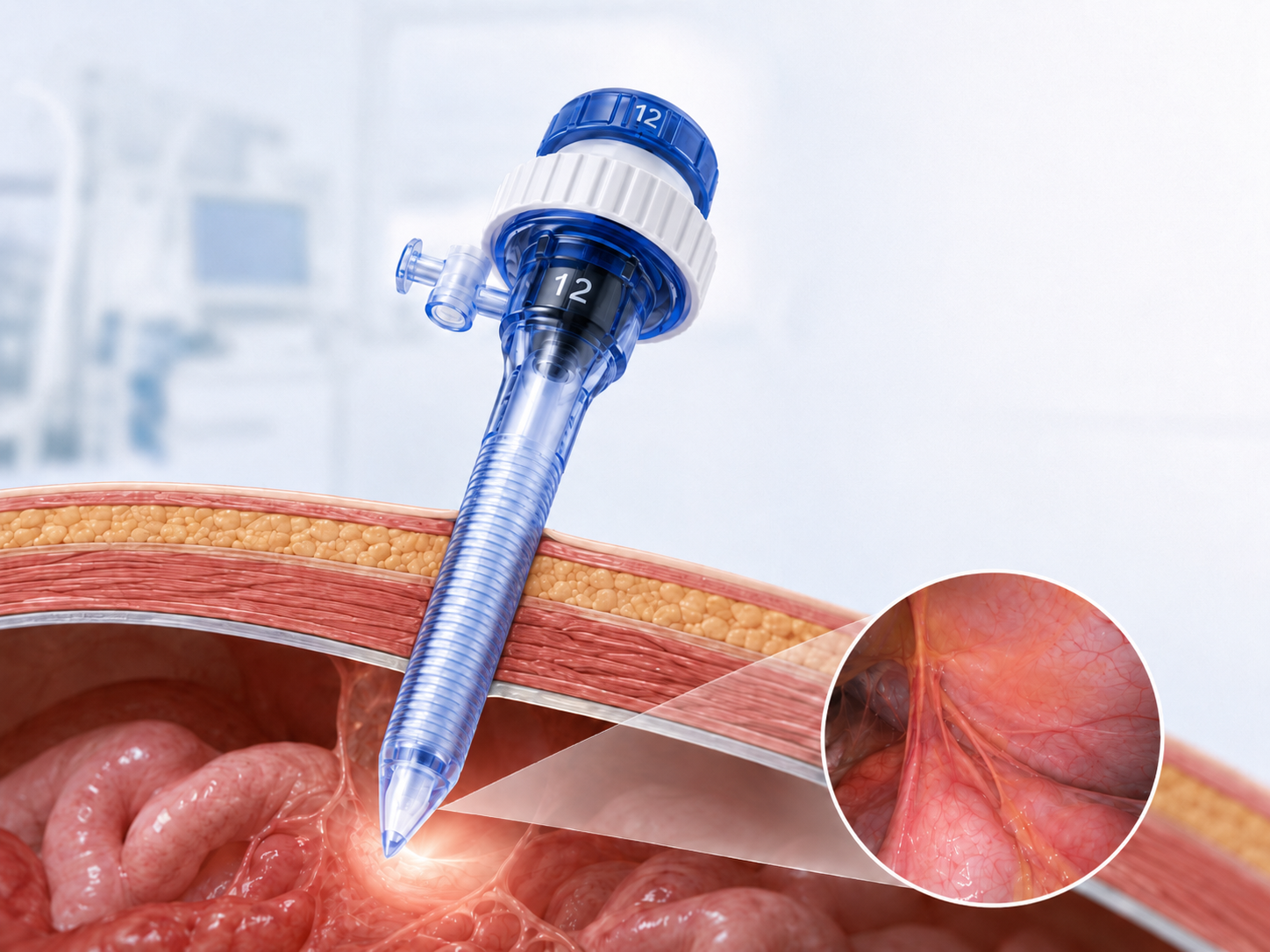
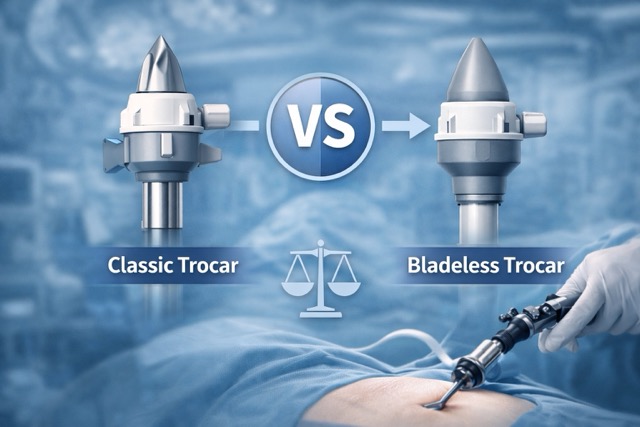
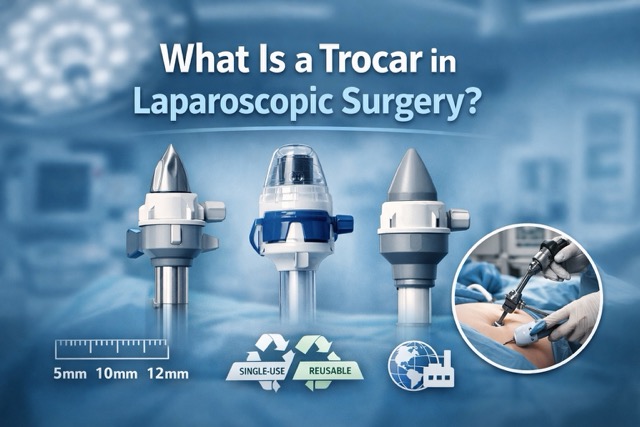
- Disposable Laparoscopic Trocar Essentials — Classic, Bladeless, and Optical port configurations.
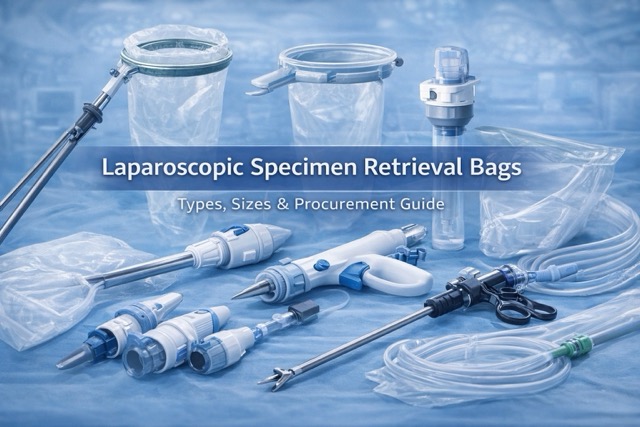
- Disposable Laparoscopic Specimen Retrieval Bag Series — Push-handle auto-opening containment systems.
- Absolute structural alignment fitting international laparoscopic trocar sleeve dimensions.
Fluid, Gas & Operating Room Protection
- CE MDR Laparoscopic Suction Irrigation Systems — Double-spike trumpet handles and pistol setups.
- CE MDR Laparoscopic Filtration Systems & Tubing Series — Hydrophobic insufflation filters and smoke lines.
- Aseptic equipment barriers: CE MDR Surgical Equipment & Camera Cover Series.
3. Manufacturing Capacity & Scalability
For high-volume global distributors, manufacturing scalability ensures predictable inventory management and cushions the supply pipeline against sudden procurement spikes. Sourcing networks must audit the physical factory architecture meticulously:
- Class 100,000 Cleanroom Infrastructure — Verification that injection molding, automated extrusion, component assembly, and pouch heat-sealing are executed within continuous positive-pressure air environments.
- In-House Quality Testing Labs — On-site microbiological and physical laboratories performing continuous bio-burden analysis and seal integrity stress checks.
- Flexible MOQ & Lead Time Balancing — Factory parameters that support adaptive startup lot testing while holding massive raw polymer stocks to guarantee high monthly output reserves.
- Export Logistics Coordination — Turnkey customs documentation preparation, maritime container optimization, and localized freight tracking.
For an in-depth review detailing standard operating room entry configurations, see our companion technology overview: What Is Minimally Invasive Surgery (MIS)? Devices & Disposable Systems Overview.
4. Private Label & OEM Support Services
A premier private label surgical product supplier must deliver complete engineering and graphic support to adapt technical items for distinct destination targets. Turnkey branding customization eliminates intermediate repackaging costs and satisfies strict local warning labels, incorporating:
- Custom high-barrier pouch layout design and specialized box card printings.
- Strict compliance with global medical device labeling guidelines (including UDI and standardized symbols).
- Multi-language Instructions for Use (IFU) manual drafting and localization.
- Seamless integration with distributor inventory systems via custom SKU and GS1 barcode printings.
- Design for Manufacturability (DFM) support and rapid rapid mold prototyping for custom modifications.
Frequently Asked Questions About Sourcing
What certifications should an OEM surgical manufacturer have?
For reliable global procurement, a qualified medical device contract manufacturer must maintain an active ISO 13485 quality platform, active CE MDR compliance documentation for European zones, and validated industrial Ethylene Oxide (EO) gas processing in complete alignment with ISO 11135 criteria.
Can OEM manufacturers provide private labeling?
Yes. High-end surgical consumables manufacturers offer full private label branding programs. This tracks full-service management of localized language pouch films, custom instructions for use (IFU) inserts, customized carton dimensions, unique SKU barcoding, and export box branding.
How do I verify a medical device OEM factory?
Verification requires an audit of material trace records, checking cleanroom positive-pressure particle count logs, evaluating the technical depth of on-site microbiological test laboratories, and confirming direct capacity matching alongside raw plastic buffer stocks.
What products are commonly supplied through OEM programs?
High-volume single-use laparoscopic instruments are standard targets for contract manufacturing. Frequently sourced lines encompass optical/bladeless trocars, trumpet-valve suction irrigation sets, insufflation filters, passive smoke evacuators, visual mass specimen bags, and surgical needle counters.
Trusted Surgical Consumables OEM Manufacturer for Global Distribution
Operating as a professional, dedicated surgical consumables OEM manufacturer, Senmed Medical empowers international distributors, healthcare platform syndicates, and private label medical brands through an ISO 13485 and CE MDR compliant contract manufacturing infrastructure. Our production capabilities span automated high-purity polymer molding, cannula sleeve extrusions, and ultrasonic filtering assembly entirely managed within our advanced 700m² Class 100,000 cleanroom facility.
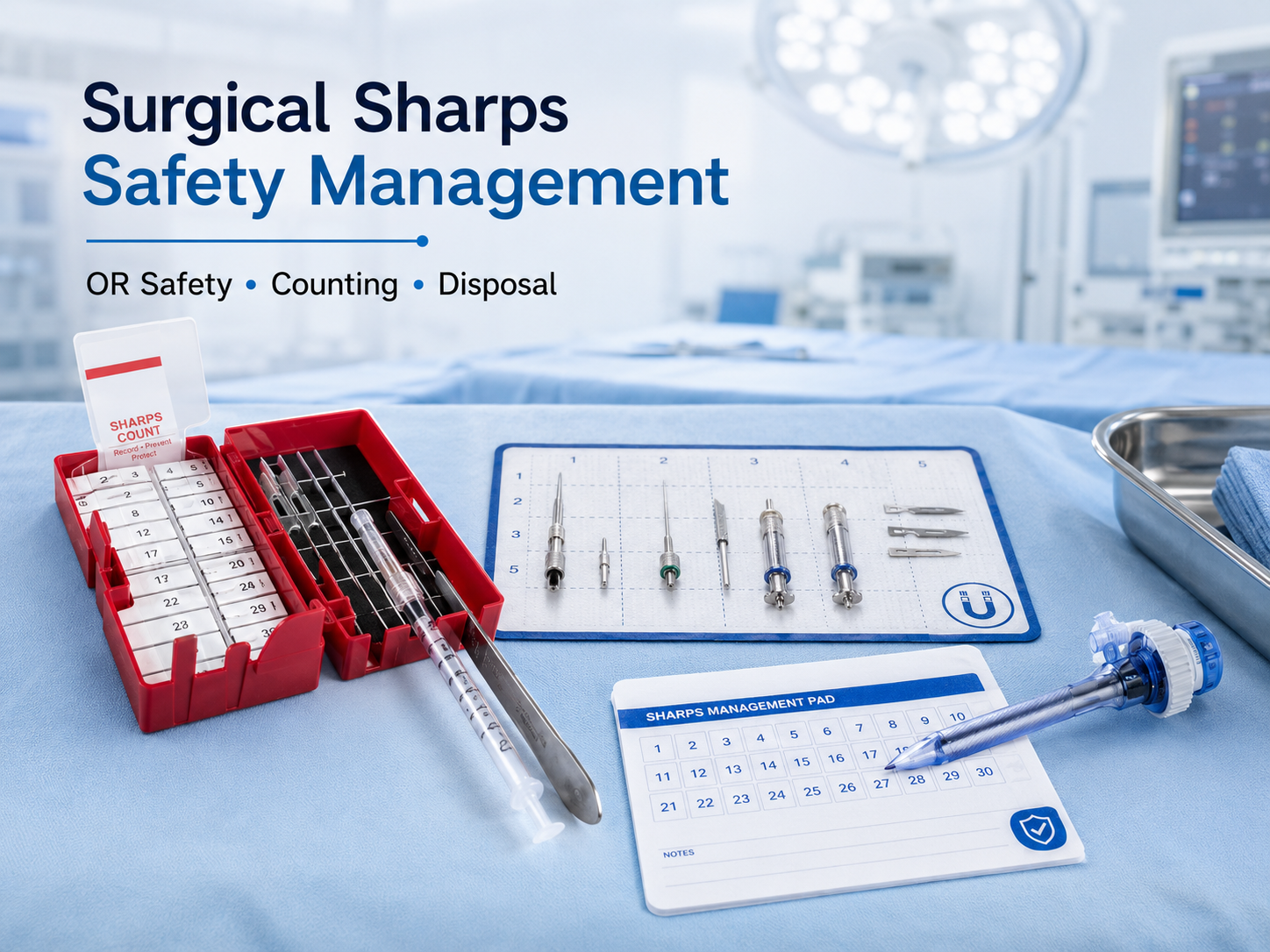
Our expansive portfolio incorporates advanced laparoscopic access portals, specialized fluid management tools, inline hydrophobic insufflation filters, passive surgical smoke extraction tube kits, tissue specimen retrieval bag configurations, fluid-impermeable medical coverings, and occupational sharps safety management components tailored for global surgical suites. We provide scalable monthly output stability, comprehensive regulatory filing data, custom branding design support, and turnkey export logistics management to establish resilient, long-term international distribution partnerships globally.